Run of Show, regulation and compliance
COIs, Permits, and Liquor Liability: The Paperwork Venues Require
Venues ask for a certificate of insurance, an additional insured endorsement, and sometimes a permit. What each document proves, who issues it, and the deadlines that decide whether a vendor gets through the gate.

What a Certificate of Insurance Proves and What It Does Not
A certificate of insurance, often called a COI, is a summary document issued by an insurance company or broker. This certificate lists the types of coverage held by the vendor, including general liability and, when present, liquor liability or workers' compensation. The COI displays coverage amounts, policy numbers, and effective dates.
Venues ask for a COI to confirm that your florist, caterer, or DJ is insured. The document shows the policy is active as of the date issued. It gives the venue some peace of mind that if a vendor's work causes injury or property damage, there is a policy in place to pick up the claim.
What a COI does not do is guarantee coverage for every possible risk, nor does it give the venue rights under the policy automatically. The COI is informational, not a contract. It does not confirm that a claim will be paid, only that a policy exists. Expired policies, exclusions, or insufficient limits are not always obvious from the certificate alone.
Keep reading: Eight Timeline Mistakes That Push a Reception Behind Schedule
Additional Insured Endorsements and Why Venues Ask for Them
Many venues require more than proof of insurance. They want to be named as an "additional insured" on the vendor's general liability policy. This is a separate endorsement that changes the insurance contract itself.
With an additional insured endorsement, the venue is covered under the vendor's policy for claims arising from the vendor's operations at the event. For example, if a caterer's hot tray burns a guest and the guest sues both the caterer and the venue, the caterer's insurance will help defend both parties. Without the endorsement, the venue may be left to handle its own defense.
Venues usually provide the exact wording for this request. The endorsement must list the legal name and address of the venue and sometimes its management company or property owner. Some venues want the endorsement to cover their officers, directors, and employees. The insurance agent must file this paperwork, not the vendor or planner. Processing can take a few days, especially if several venues are listed on one policy.
General Liability Limits Commonly Written Into Venue Contracts
Venues set minimum general liability limits in their contracts to reduce their exposure if a vendor causes injury or property damage. The most common requirement for event vendors is a policy with at least $1 million per occurrence and $2 million aggregate coverage. "Per occurrence" means the maximum amount paid for a single incident. "Aggregate" is the maximum paid for all claims in the policy period.
Some high-end venues or those with a history of claims may require higher limits, such as $2 million per occurrence or $5 million aggregate. For vendors with more complex operations, tent companies, production crews, or those bringing in heavy equipment, venues may demand umbrella coverage on top of the standard limits.
Contracts also spell out what types of coverage are needed. General liability is standard, but some venues look for auto liability if the vendor will drive on the property, workers' compensation if staff are employed, or professional liability for planners and designers. Before signing, planners should check which coverages are required and confirm that each vendor can meet the limits.
Keep reading: The Rain Call: How an Outdoor Ceremony Moves Indoors
Host Liquor, Liquor Liability, and State Dram Shop Exposure
When alcohol is served, venues become much more cautious about insurance requirements. There are two main types of coverage: host liquor liability and full liquor liability.
Host liquor liability is for events where alcohol is provided but not sold, such as an open bar at a wedding. This coverage is often included in a standard general liability policy if the insured is not in the business of selling alcohol. It protects against claims if a guest becomes intoxicated and causes injury or damage.
Liquor liability insurance is specifically for vendors in the business of selling or serving alcohol, such as bartending companies or caterers with a liquor license. This policy responds to claims arising from the service or sale of alcohol, including state "dram shop" laws that make servers responsible for injuries caused by intoxicated guests.
Venues may require a liquor liability policy even if the event is private, especially if alcohol is being served by a paid bartender. Some states make venues and vendors jointly liable for alcohol-related incidents, so coverage is essential not just for risk management but for compliance with state laws.
Licensed Bartenders, Server Training, and One Day Alcohol Permits
Most professional venues require that all bartenders be licensed or certified by the state. This requirement helps with compliance and reduces the risk of serving minors or intoxicated guests.
Many states offer or mandate server training programs, such as TIPS (Training for Intervention ProcedureS) or ServSafe Alcohol. These courses cover checking IDs, recognizing intoxication, and handling difficult situations. Some venues require proof of this training for all bartending staff at an event. The planner should obtain a copy of each bartender's certificate and keep it on file.
For events at private sites or off-premises locations, a one day alcohol permit may be needed. These permits are issued by state or local agencies. The application process can take a week or more, and often requires a copy of the general liability and liquor liability policies. Fees for these permits vary by state and town. Some municipalities cap the number of one day permits per venue or applicant per year.
Planners should check early whether the venue or the client must apply for the permit. In some states, only nonprofit organizations can apply for a one day alcohol license, while in others, individuals can apply for private events.
See how AisleTimeline handles this for weddings and events
Open Flame, Sparkler, and Amplified Sound Restrictions
Open flames, such as candles, tiki torches, or chafing dishes, are tightly regulated at almost every venue. Many require flame-retardant containers, automatic fire suppression for cooking, or prohibit open flames altogether. Some venues allow only battery-powered candles indoors.
Sparkler send-offs have become popular, but fire codes and insurance restrictions apply. Many venues require that sparklers be used outdoors, in designated areas, and that buckets of water or sand are on hand. Some ban sparklers entirely due to local fire ordinances or their insurer's rules.
Amplified sound is another compliance area. Outdoor venues are often subject to municipal noise ordinances that set maximum decibel levels and curfew times. Some venues require vendors to use in-house sound systems with built-in limiters. Others ask for a signed agreement from the DJ or band acknowledging these rules and the penalties for violations.
Planners should confirm the venue's restrictions on these elements before finalizing vendor contracts. A vendor's insurance policy may exclude coverage for certain activities, such as pyrotechnics or open flames, unless specifically endorsed.
Public Park and Beach Ceremony Permits and Their Lead Times
For weddings in public parks, beaches, or other municipal spaces, a permit is almost always required. These permits limit the number of events per day, control access, and help the city manage cleanup and maintenance.
The application process can be straightforward, often just a form and proof of insurance, or it can require a detailed event plan, site map, and even a security deposit. Some cities allow online applications; others require in-person visits to the parks department. Fees vary widely and may be waived for small groups or residents, but large events usually pay a higher rate.
Lead times are critical. Popular sites may book up a year in advance. Some cities open their calendars on a specific date each year, and permits are granted on a first-come, first-served basis. Others process applications four to six weeks before the event. Last-minute requests are rarely approved, especially in peak season. Planners should start the process as soon as a venue is chosen and keep track of all deadlines.
Insurance requirements for public spaces can be strict. Most cities require a COI naming the city as additional insured, with liability limits similar to those of private venues. Some require a separate liquor liability endorsement if alcohol will be served, and a police detail or event-monitoring fee for large gatherings.
Collecting and Filing Vendor COIs Before the Venue Deadline
Every venue sets a deadline for receiving vendor certificates of insurance and permits. This is usually at least two weeks before the event, but some require documents up to a month in advance. If a COI or permit is missing at the walkthrough or final planning meeting, the vendor may be denied entry or the event delayed.
Planners are often the point person for collecting these documents. This means reaching out to each vendor, caterer, florist, DJ, rental company, well ahead of deadline. Clarify with each vendor whether their policy meets the venue's requirements, and check that the additional insured endorsement uses the correct language. Certificates should be checked for accuracy: dates, limits, and the correct event address.
Filing and tracking is where details can slip. Paper copies can get lost, and email chains become confusing when last-minute changes happen. If a vendor changes their insurance carrier or adds a subcontractor, a new COI may be needed. If the client switches venues, all documents must be updated and reissued. Keeping a checklist for each event, with vendor names, requirements, and submission dates, is essential. Sharing the status with the venue, the vendors, and the client cuts down on missed paperwork and last-minute scrambles.
Tools that allow planners to collect, store, and share vendor COIs in a single location, with automatic reminders for upcoming deadlines and updates for last-minute changes, can make compliance more manageable for everyone involved. A shared run sheet that delivers vendor-specific requirements and notifies the right parties when something changes helps keep events on track from walkthrough to send-off.
Read also
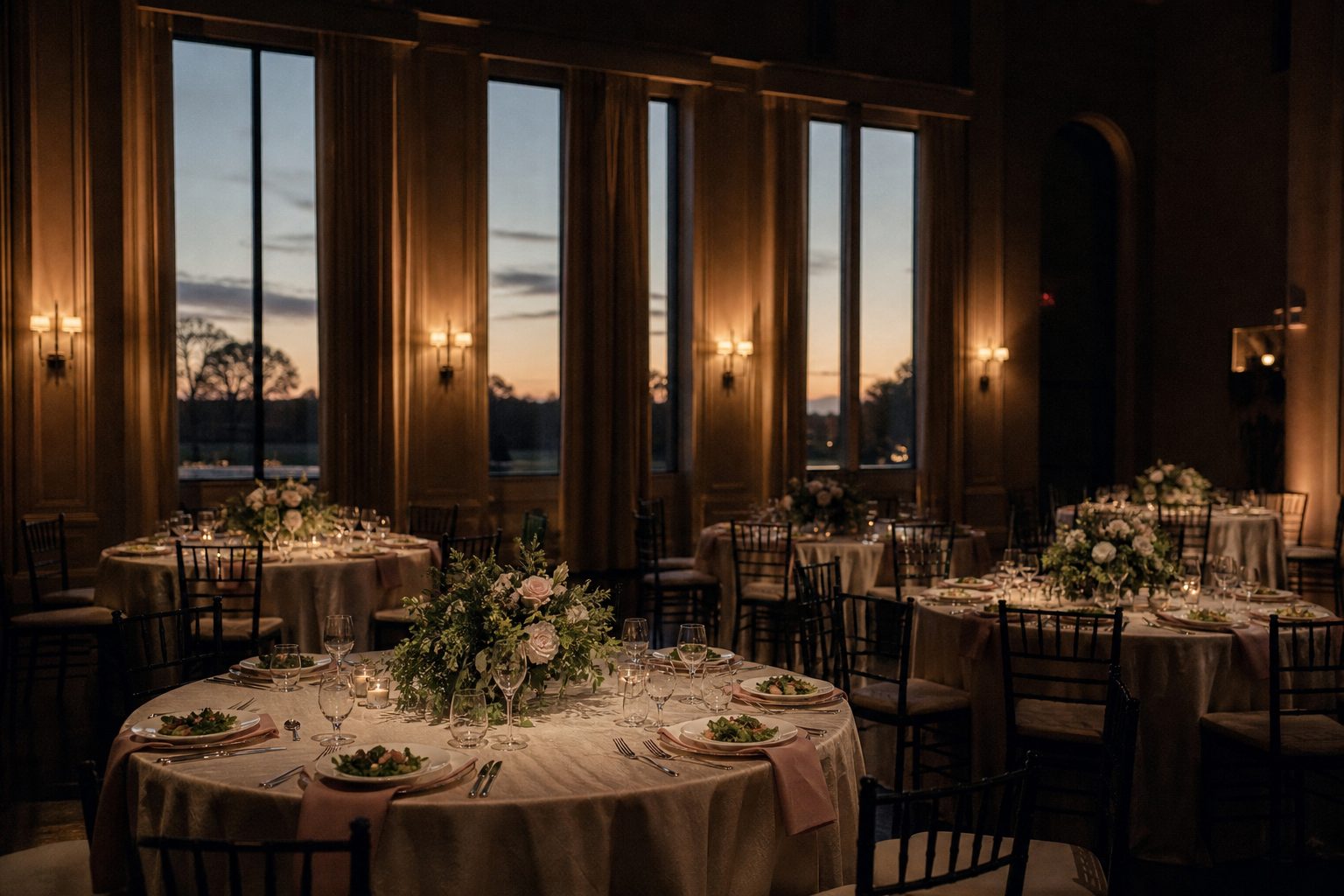
Eight Timeline Mistakes That Push a Reception Behind Schedule
Receptions rarely fall behind for one big reason. They slip in ten minute pieces: hair and makeup, uncounted family photos, travel treated as drive time. Here are the eight slips and the fix for each one.

The Rain Call: How an Outdoor Ceremony Moves Indoors
A composite garden estate wedding walked through decision by decision: the forecast windows, the tent company hold deadline, who owns the call, the cutoff time, and how nine vendors got new call times.

Friday and Sunday Weddings: What Off Peak Dates Change
Off peak dates change more than the venue rate. Staffing, load in windows, guest travel, and getting ready call times all shift when a wedding lands on a Friday or a Sunday. Here is what actually moves.