Run of Show, trends and outlook
Friday and Sunday Weddings: What Off Peak Dates Change
Off peak dates change more than the venue rate. Staffing, load in windows, guest travel, and getting ready call times all shift when a wedding lands on a Friday or a Sunday. Here is what actually moves.

Why Venue Food and Beverage Minimums Differ by Day of the Week
Venue rates are only the beginning when comparing Friday and Sunday weddings to Saturdays. Most venues set their food and beverage minimums based on demand. Saturday evenings fill fastest, so venues require higher minimum spends for those dates. Fridays and Sundays often have lower minimums, which sometimes allows for more flexibility with food choices and bar packages.
Some venues use a tiered structure. The minimum for a Saturday might be non-negotiable, while off peak days offer more room for negotiation. In practice, this can mean a couple can still book their preferred ballroom or terrace, but with a smaller headcount or a premium menu upgrade instead of a high base spend.
For planners, the difference is not just about the bottom line. Lower minimums can lead to menu adjustments, creative display options, or expanded dessert tables. It also affects alcohol decisions. Many venues relax bar package requirements on off peak dates, opening the door for a beer and wine setup or a signature cocktail feature instead of a top shelf open bar.
When reviewing contracts, pay attention to what is bundled into the minimum. Some venues roll in basic linens or cake cutting, while others keep these as separate line items. On off peak days, venues may be more willing to waive fees or include extras to secure the date.
Keep reading: The Two Week Out Vendor Confirmation Call Checklist
Vendor Staffing on Weekdays and the Overtime Question
Staffing is where Friday and Sunday weddings diverge most sharply from Saturday events. Many vendors, especially those with full time teams, have to juggle regular weekday hours with event scheduling. For Friday weddings, load in and setup often start during the workday. This can trigger overtime rates for team members or require vendors to bring in part time help.
Florists and Decor Crews
Florists, rental companies, and production crews sometimes face compressed timelines if the venue is open for business that morning. If setup begins before or after their standard shifts, overtime applies. Some planners report that vendor contracts for Fridays include language about overtime, while Saturday contracts do not.
Photography and Video
Photographers and videographers may have weekday obligations or studio bookings. If arrival times move earlier for a Friday wedding, this can require them to block off a full day. That has a direct impact on their staffing costs, especially if a second shooter needs to be added for pre-ceremony coverage.
Sunday Evening and Late Tear Down
Sunday weddings raise a different staffing issue. Tear down often runs into late evening hours. Some venues require everything to be cleared that night, so vendors must plan for late pickups or overnight shifts. This can mean higher labor charges or rush logistics for florals, rentals, and production gear.
Planners should review vendor contracts line by line. Off peak dates sometimes mean smaller teams, but not always lower costs. Ask about overtime triggers, minimum call hours, and whether weekend or night rates apply for post-event pickup and removal.
Guest Travel, Time Off, and the Attendance Trade
When couples shift to a Friday or Sunday date, guest attendance patterns change. Out of town guests must consider extra days off work, and local friends may have weekday commitments. This can reduce overall turnout or affect the timing of travel and hotel bookings.
Friday Weddings: Early Arrivals and Missed Rehearsals
Friday weddings require guests to travel on Thursday or very early Friday to make a mid-afternoon ceremony. Some guests may skip the rehearsal dinner if they cannot take additional time off. For destination weddings, this can mean a lighter turnout at pre-wedding events or fewer people able to participate in welcome activities.
Sunday Weddings: Travel Home and Early Departures
Sunday weddings, especially those with evening receptions, can push guest travel late into the night or force Monday morning departures. Families with children and older guests may leave early, skipping the last hour of dancing or dessert. Planners see this most on holiday weekends, when Monday is a workday for many.
Local Versus Destination Patterns
Local weddings on Fridays or Sundays may see better attendance, but with a different guest flow. Some guests will arrive late if they must work a full day, while others will leave immediately after dinner. For planners, this affects everything from shuttle schedules to bar and food service timing.
Communicating the itinerary early is key. Planners often build custom guest timelines for off peak dates, flagging travel considerations and recommending hotel blocks with early or late check in options.
Keep reading: What Goes Into a Day Of Coordination Fee, Hour by Hour
Shorter Load In Windows on Multi Event Weekends
Venues with high weekend turnover often book events back to back on Fridays, Saturdays, and Sundays. This shrinks the window for vendor load in and setup, especially on Fridays when a corporate event or luncheon may run until mid-afternoon. The same is true for Sundays, when a mid-morning brunch or early afternoon party precedes a wedding.
Compressed Timelines Affect Setup
For planners, the main challenge is fitting floral, rental, audio visual, and decor setup into a shorter block. On a Saturday, vendors may have all morning and early afternoon. On Fridays, the window may not open until 2 or 3 pm for a 5 pm ceremony. This requires careful sequencing and clear communication with all teams involved.
Some venues charge extra for early access. Others cannot offer it at all, due to overlapping bookings. This can limit the complexity of the setup or require additional hands to meet the timeline. Rental companies may need to deliver items in smaller batches or at staggered times.
Late Night Strike and Same Night Removal
Multi event weekends often require that everything be cleared the same night. Vendors must plan for late night pickups or next day retrieval if the venue allows. On Sundays, late strikes are more difficult because crews may need to be available early Monday at other jobs. This can add to labor costs and stress for planners managing the schedule.
Advance confirmation of load in and out windows is essential. Some planners use shared logistics sheets to keep all vendors aware of the exact times they can be onsite. A clear run sheet reduces confusion and helps prevent overtime charges.
How a Friday Date Reshapes the Getting Ready Block
Friday weddings shift the entire prep schedule earlier than most couples expect. Salons, makeup artists, and hair stylists may open early or bring in additional staff to accommodate morning appointments. For large bridal parties, this can mean a pre-dawn start if the ceremony is scheduled before 5 pm.
Salon and Suite Timing
Many stylists have weekday appointments and cannot commit to midday wedding prep. This can push the bride and party to book in-seat times as early as 7 am. Some planners arrange for stylists to come directly to the hotel or venue, but this must be confirmed well in advance. Weekday traffic also affects travel times between prep locations and the ceremony site.
Early Photography and First Look Sessions
When the ceremony is set for late afternoon, first look photos and wedding party portraits may need to happen by noon or 1 pm. This compresses the entire prep window and increases the risk of running late if anyone arrives behind schedule. Planners often build in extra buffer for makeup or hair touch ups, knowing that weekday schedules can be less predictable.
Vendor Coordination for Friday Mornings
Coordinating multiple vendors on a Friday morning requires more advance planning. Not all makeup artists or stylists are available for early weekday bookings, so flexibility is key. Some teams charge higher rates for Friday mornings, especially for travel or on location services.
Planners should build realistic prep schedules that account for earlier start times and potential weekday traffic. Sharing a detailed, hour by hour run sheet with all beauty vendors and the wedding party helps keep everyone on track.
See how AisleTimeline handles this for weddings and events
Pricing Your Own Weekday and Sunday Availability
Independent planners and coordinators face their own pricing decisions for Friday and Sunday events. Many raise the question of whether to discount off peak dates or charge standard rates, given that the workload often does not shrink. In some cases, off peak weddings actually require more detailed coordination due to the changes in vendor availability, guest travel, and logistics.
Discounting or Holding the Line
Some planners offer modest discounts for Fridays and Sundays, especially in markets where demand is lower for these dates. Others keep rates steady, arguing that the compressed timelines and vendor coordination make these events just as labor intensive as a Saturday wedding. In high demand regions, planners may even add a premium for Friday events that require extra hours or early morning coverage.
Factoring in Staff Costs and Overtime
Day of coordinators must account for their own staff availability and overtime. Friday weddings can mean an earlier start and longer day, especially if setup is delayed by another event at the venue. Sunday events sometimes require late night or next day pickups, which can affect staff scheduling for the coming week.
Planners often review their own labor budgets and adjust proposals for Friday and Sunday dates accordingly. Some build in extra time for vendor communication, guest coordination, and logistics planning. Others offer tiered packages with different levels of service for off peak dates.
Transparency with clients about the realities of off peak scheduling helps set expectations and allows for a more accurate quote. Detailed run sheets and communication with vendors can reduce surprises and help avoid overtime costs.
What to Watch Over the Next Two Booking Seasons
Several trends are likely to shape Friday and Sunday weddings in the near future. Venues continue to fill prime Saturdays far in advance, pushing more couples to consider Fridays and Sundays. At the same time, vendor availability is tightening, especially for florists, photographers, and staffing teams who now juggle multiple events per weekend. This puts additional pressure on planners to confirm dates and logistics early.
Hybrid events and micro weddings have made flexible scheduling more common. Some couples now prefer off peak dates for more intimate gatherings and a focus on guest experience. Others see Friday and Sunday weddings as a way to secure their favorite venue or vendor at a slightly lower commitment.
Transportation, accommodations, and guest communication will remain major points of focus. With guests more sensitive to travel schedule disruptions, planners need to provide detailed information up front and adapt timelines as needed. Reliable tools for real time schedule sharing and vendor coordination are increasingly important as timelines tighten and vendor teams grow more complex.
Staying ahead of these shifts means using systems that keep everyone in the loop. A shared wedding day run sheet with vendor specific views and automatic change notifications keeps all teams aligned and reduces the risk of missed cues, especially on fast moving off peak dates.
Read also

The Two Week Out Vendor Confirmation Call Checklist
The confirmation call is where a timeline stops being a document and becomes a plan. Vendor by vendor, here is what to ask, what to write down, and what to send back before the final week begins.

What Goes Into a Day Of Coordination Fee, Hour by Hour
A coordination fee is not a day rate. Add up intake, the site visit, the timeline build, vendor communication, day coverage, assistants, and mileage, and the effective hourly rate is usually a surprise.
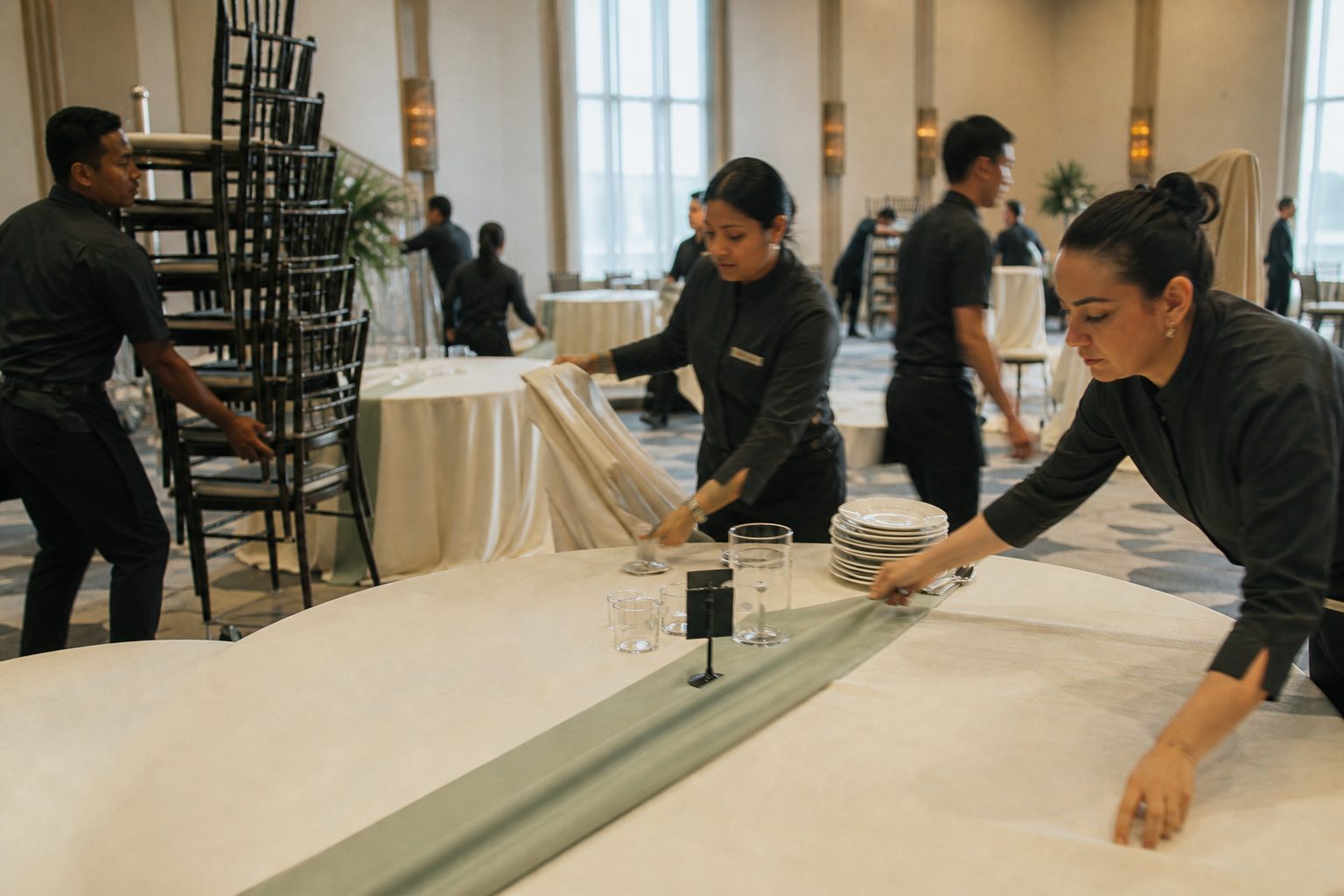
Inside a 45 Minute Ceremony to Reception Room Flip
Forty five minutes, one room, two events. What the flip crew actually does while guests are at cocktail hour, who is responsible for which piece, and the two checks that keep the doors from opening late.